Elections to the Col·legi de Fisioterapeutes de Catalunya · 16–18 November
Dignitat i Orgull
Defend who we are. Build who we will be.
Candidacy for the Governing Board of the Col·legi de Fisioterapeutes de Catalunya. Let's give the profession the dignity it deserves. Let's build a Col·legi that represents us and that we can be proud of.

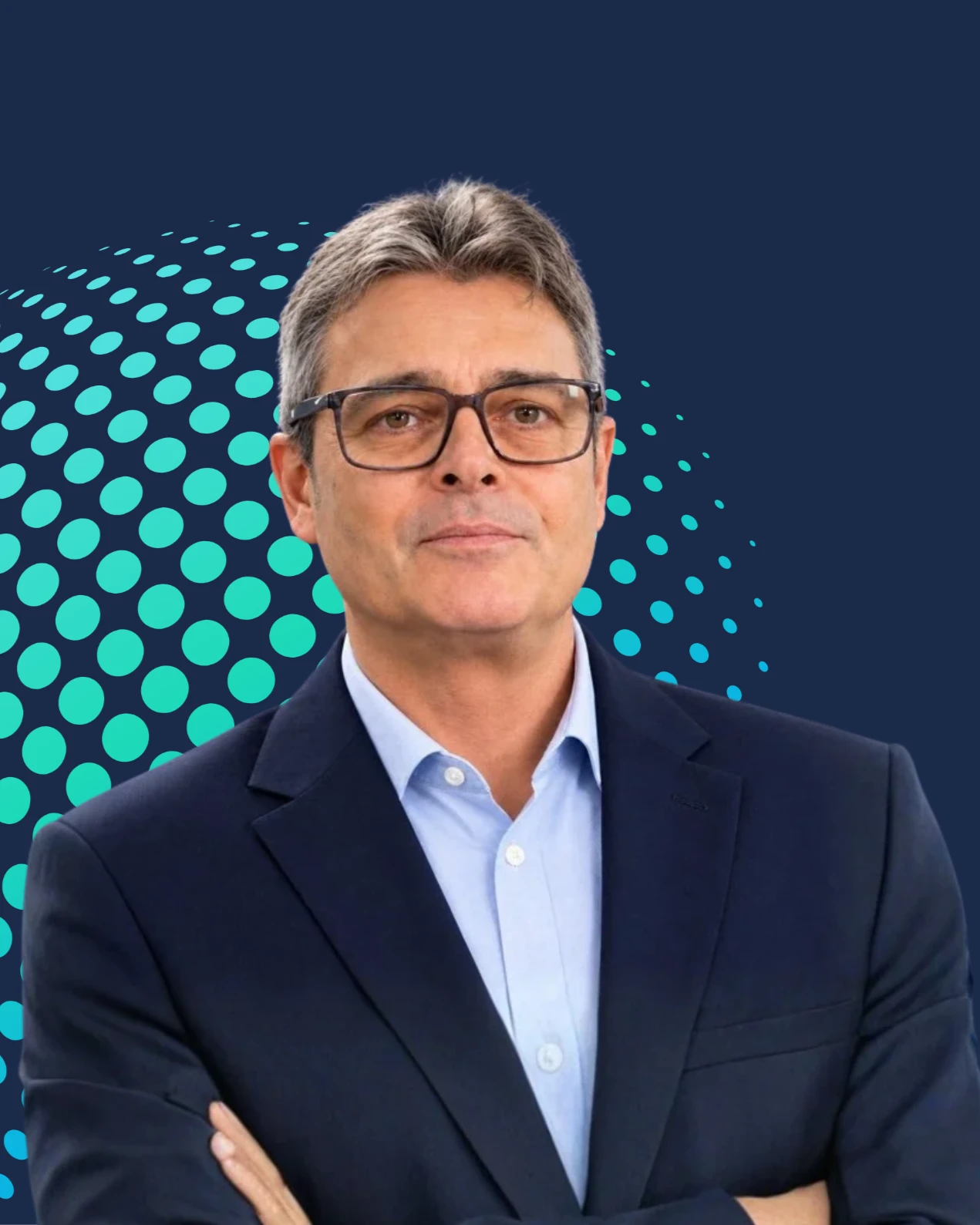
Letter from Alfons Mascaró, candidate for Dean
Dear colleagues,
I have been practising physiotherapy for more than thirty-five years. I have worked in the clinic and in the classroom, and in all that time I have learned that a strong profession is not built only on each individual's effort. It also needs a Col·legi that defends it and is accountable to it.
Now is a good time to ask ourselves some honest questions. Are we better off professionally than we were a few years ago? What do we get back for the fees we pay? We are not starting from scratch, nor do we want to deny the work that has been done. But we believe a better Col·legi starts by recognising what has not worked well enough.
That is why we are not asking you to trust us blindly. We are proposing commitments that can be checked. Every month we will publish the Board's decisions and minutes that truly explain what has been decided. Every year we will present the budget broken down by item and publish the external audit in full. We will produce an annual report explaining what has been achieved and what remains pending, and why. During the first six months we will ask every member what they need, and their answers will set the priorities of our term. And we will put resources where they are most needed, in premises that serve as a meeting point and in a Col·legi team with enough hands to serve us well.
Being demanding of the Col·legi does not mean being against it. It means wanting it to be better. We are a team of practising physiotherapists from different fields and regions, eager to do things differently.
From 16 to 18 November we can decide what kind of Col·legi we want for the next four years. I ask you to take part and to vote.
Defend who we are. Build who we will be.
Alfons Mascaró Vilella
Candidate for Dean · Dignitat i Orgull
The team
Physiotherapists who want a Col·legi that is truly ours.
Dean
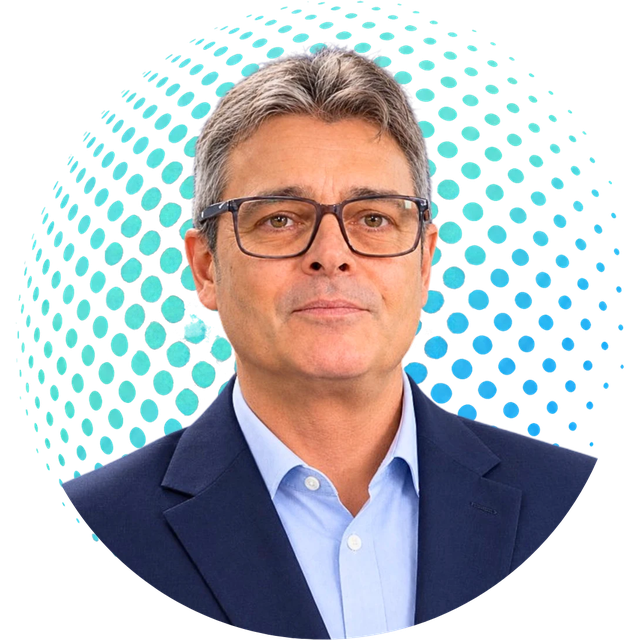
Member no. 409
Diploma in Physiotherapy (UAB, 1988). Specialised in Sports Physiotherapy (UAB, 1990), in Osteopathy (URL, 2002) and at the Escola d'Osteopatia de Barcelona (EOB, 2004). Official Master's in Physical Activity and Sport (UB, 2010). Doctoral studies (UB, 2012-16). Clinician at the Centre de Rehabilitació del Bages (CRB, 1988-present). Lecturer on the Physiotherapy diploma and degree from 1992 to 2023 at the Escola Universitària de Fisioteràpia Gimbernat (UAB), the Fundació Universitària del Bages (FUB-UAB) and the Faculty of Nursing and Physiotherapy of the Universitat de Lleida (UdL). He has been Head of Studies for Physiotherapy at the FUB and coordinator of continuing education and postgraduate Physiotherapy courses at the Escola Universitària d'Infermeria i Fisioteràpia Blanquerna (URL). Physiotherapist to the TDK Manresa first team and consultant to the club. He has taught in international collaborations from 2005 to the present, with more than 200 teaching activities in master's, postgraduate and university expert programmes at more than 20 universities.
Vice-Dean

Member no. 2746
Physiotherapist trained at the Escola Universitària Gimbernat (1997), PhD in Physiotherapy (2016) and Vice-Dean of the Col·legi de Fisioterapeutes de Catalunya from 2018 to 2022. Trained in osteopathy (2004), with a postgraduate qualification in Acupuncture for myofascial pain (2009) and the Official Master's in Education and ICT (e-learning) (2010).
Since the 2000-2001 academic year she has taught Physiotherapy at university level, first at the Universitat Internacional de Catalunya (UIC) and then at TecnoCampus, a centre affiliated to the UPF. At the UIC she was Deputy Director of the Department of Physiotherapy (2009-2013), teaching coordinator for the first year of the Physiotherapy Degree and teaching coordinator of several postgraduate programmes until 2015. At TecnoCampus she coordinated the launch of the double degree in Physiotherapy and Physical Activity and Sport Sciences (2015-2016) and has been Deputy Head of Studies (2016-2017) and Head of Studies (2017-2019) of the School of Health Sciences, and coordinator of the Physiotherapy Degree (until 2018-2019 and during 2019-2020 and 2020-2021). She has supervised undergraduate and master's theses at both institutions, has served on quality committees and contributed to the UIC Physiotherapy Degree report and to the revision of the Degree curriculum at TecnoCampus.
Her main line of research is the study of musculoskeletal disorders, which led to her doctoral thesis, entitled “Estudi de l’aplicació i els efectes a curt termini del Kinesiotaping sobre el múscul trapezi superior en persones amb dolor cervical inespecífic”. She is a researcher on project FIS PI20/00129, a randomised clinical trial on supervised physical exercise in people with symptomatic arterial disease, and a member of the Research Group on Evidence and Innovation in Physiotherapy (GREIF) at TecnoCampus.
In clinical practice she has focused mainly on sports physiotherapy and private practice. She was part of the medical service of the Real Federación Española de Hockey, in field hockey, from 2000 to 2008, and of the RCPB women's field hockey first team. Today she combines teaching with clinical practice.
Secretary
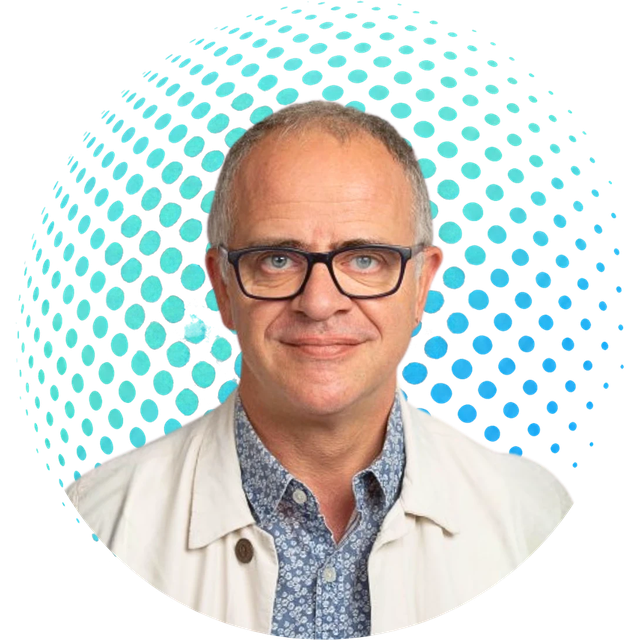
Member no. 57
Physiotherapist with a PhD in Inclusive Education from UVic-UCC, practising since 1988 (EUF Gimbernat) and Honorary Dean of the Col·legi de Fisioterapeutes de Catalunya. Lecturer on the Physiotherapy degree since 2000.
He has devoted his professional career to people with disabilities and to inclusive environments. He is a co-founder of the Spirituality, Health and Wellbeing Group at UVic-UCC. His research has focused on the inclusion of children in mainstream school settings and on care for people with functional diversity and people at risk of social exclusion.
Vice-Secretary

Member no. 5987
Physiotherapist with 21 years of experience combining professional practice, management, business project development and career guidance. She holds a Diploma in Physiotherapy from the Fundació Universitària del Bages (UManresa, 2005), is a qualified career guidance specialist (Universidad Nebrija) and has training in business management and administration and in project management. For almost fifteen years, from 2011 to 2025, she worked at the Col·legi de Fisioterapeutes de Catalunya, in the Professional and Communication Department, where she led the career guidance and entrepreneurship service, supporting members in developing their careers, creating their own projects and adopting new technologies.
She has extensive experience in business development and marketing at technology companies and has taken part in several European start-up acceleration programmes. She is currently the founder of Corpora, a company providing health and prevention training to businesses, and an associate lecturer at UVic-UCC.
Treasurer
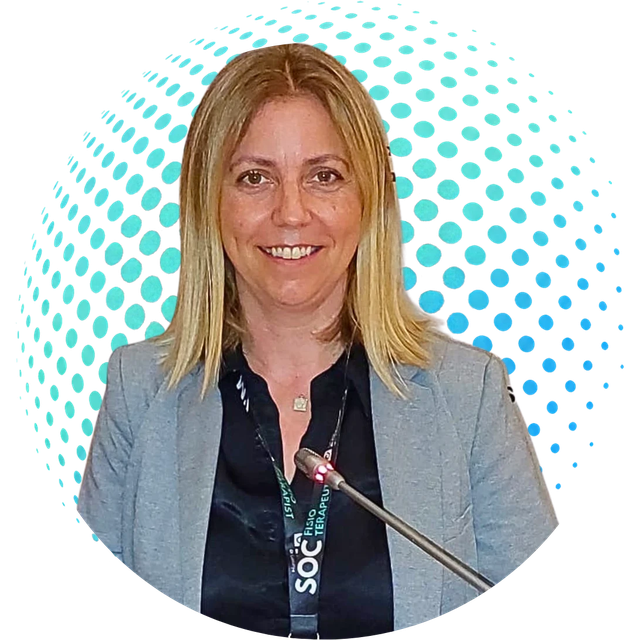
Member no. 2181
Diploma in Physiotherapy from the Facultat de Ciències de la Salut Blanquerna, Universitat Ramon Llull, in 1998, and Degree in Physiotherapy from the Universidad de Salamanca in 2022.
Physiotherapist with 26 years of experience, specialised in neuropaediatrics and musculoskeletal conditions, working since 2000 in the Rehabilitation Service of the Institut Català de la Salut (ICS). Coordinator of the Primary Care Rehabilitation Service at CAP II, Maresme (ICS), with management experience since 2016. Vice-Secretary of the Col·legi de Fisioterapeutes de Catalunya from 2022 to 2026.
She holds a master's in Neurological Rehabilitation from the Escola Universitària Gimbernat, a Postgraduate qualification in Paediatric Physiotherapy from the Facultat de Ciències de la Salut Blanquerna and the Official Master's in Primary Care Research from the Universidad Miguel Hernández. Her continuing education includes specialisations in manual therapy, the musculoskeletal system, neurorehabilitation, management, research and teaching.
Second-year doctoral candidate at the Doctoral School of the Universitat de Vic – Universitat Central de Catalunya (UVIC-UCC). Her doctoral thesis is entitled “Efectivitat de l'estimulació electromagnètica d'alta intensitat administrada pel sistema Super Inductiu, combinada amb exercici terapèutic i educació per a la salut en l'epicondilalgia lateral de colze”.
She is a co-author of the Functional Plan of the Programme for bringing physiotherapists into primary and community care. Associate lecturer at UVIC-UCC since 2021, at the UAB since 2023 and at Tecnocampus since 2025. Member of the ICS physiotherapy civil service examination board. Member of the FisioAPiC Advisory Group at the Department of Health from 2022 to 2025.
Clinical tutor for placement students from several universities (EU Gimbernat, UAB, TecnoCampus, UVIC-UCC and Blanquerna) since 2002. Academic tutor for placement students from UVIC-UCC and Tecnocampus. She has supervised undergraduate theses at UVIC-UCC. Lecturer on several courses delivered at the ICS.
Author of numerous communications, posters and articles presented at national and international conferences. Co-author of several musculoskeletal procedures. Quality and Patient Safety lead (2012-2016). Health and physical activity promotion and outreach (PAFES and schools).
Vice-Treasurer

Member no. 3678
Physiotherapist specialised in the pelvic floor since 2006, with extensive experience in the management and delivery of physiotherapy in Primary and Community Care.
She was coordinator of the Physiotherapy service at Quality Medical Services (QMS) from 1994 to 2012, and since 2007 she has coordinated the Rehabilitation Service at CAP Sant Andreu in Barcelona. Since 2022 she has also led the FisioApic programme at GAPIC Muntanya-Dreta.
She holds the Master's in Community Physiotherapy Care and the Master's in Electrotherapy from the Universitat de València, as well as the Master's in Integrated Management of Primary Care, Social and Hospital Services (GESAPH). She is currently studying for the Master's in Primary Care Innovation.
Her continuing education includes postgraduate qualifications in Obstetric Physiotherapy, Pelvic Floor Re-education and Physio-sexology, as well as specialisations in visceral neuromyostatics, gynaecological and visceral re-education, peripartum physiotherapy, hypopressive abdominal gymnastics, coloproctological physiotherapy, manual therapy and fascial assessment and treatment.
She also collaborates in and coordinates undergraduate training for Blanquerna students and provides continuing education to professionals in her area.
Throughout her career she has stood out for her active role in planning and developing the health system. She is a co-author of the Functional Plan of the Programme for bringing physiotherapists into primary and community care, and of the programme for bringing in physiotherapists to promote functioning and prevent disability.
Finally, she is driving the physiotherapy model in Barcelona by developing the full portfolio of services, both in Primary Care centres and in outpatient rehabilitation services.
Board Member
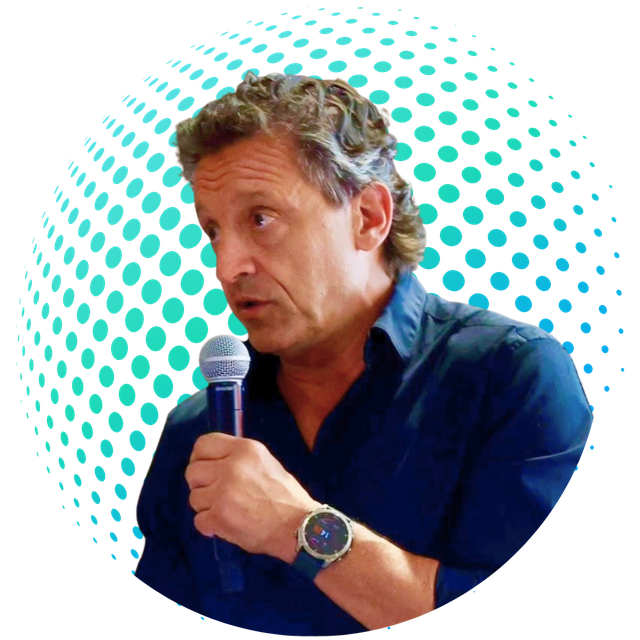
Member no. 20
Physiotherapist with a PhD from the Department of Surgery and Morphological Sciences of the Universitat Autònoma de Barcelona, with 37 years of experience combining senior sports management, university teaching (since 1992), research and clinical practice at the COS MORERA centre in Terrassa (founded in 1967 by his father, Àngel Cos i Boada). He is currently head of the Physiotherapy Department of the Real Federación Española de Atletismo at the High Performance Centre (CAR) in Sant Cugat. Over his career he has taken part in 9 Olympic Games with the Spanish Olympic Committee, was osteopath to the F.C. Barcelona first team for seven seasons and to R.C. Deportivo de A Coruña for one, and received the June Nystrom Award from the Col·legi de Fisioterapeutes de Catalunya in recognition of his work in sport. His work and research focus on return to physical activity, elite sports physiotherapy and the development of biomedical patents.
Board Member
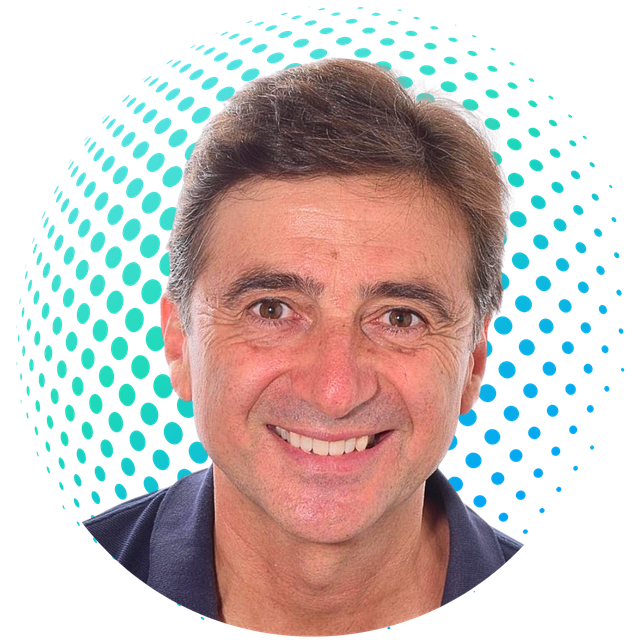
Member no. 1538
Physiotherapist with a PhD in Biomedical Research and Public Health from the Universitat Autònoma de Barcelona, with 36 years of experience combining university teaching, research and clinical practice at the Salut i Esport centre in Santa Perpètua de Mogoda. Lecturer and researcher at the Facultat de Ciències de la Salut Blanquerna (Universitat Ramon Llull). Throughout his career his clinical work and research have focused on treating tendinopathies and chronic pain through physical exercise, education and physical agents.
Board Member
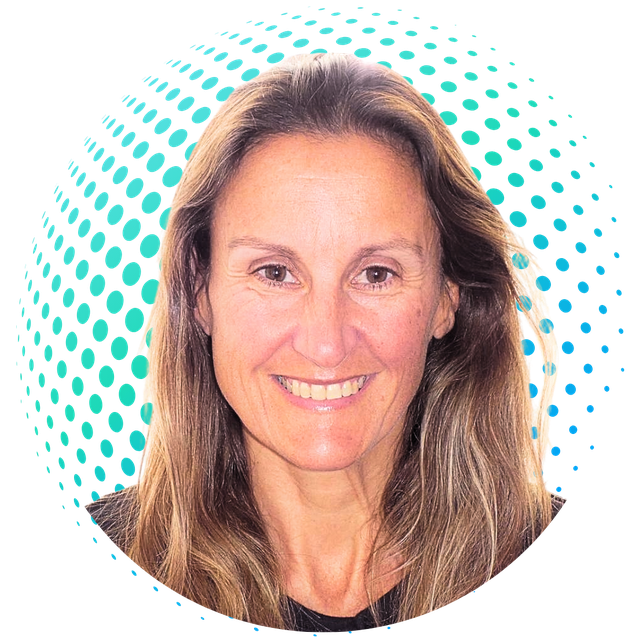
Member no. 4967
Physiotherapist with a PhD in Sports Science, specialised in sports physiotherapy, osteopath, researcher and university lecturer at the Facultat de Psicologia, Ciències de l’Educació i de l’Esport Blanquerna (Universitat Ramon Llull). She has more than 30 years of professional experience in sports physiotherapy, particularly in high performance, injury prevention and rehabilitation and the optimisation of physical performance. She was physiotherapist to the Real Federación Española de Natación for three decades, as head of physiotherapy until 2024, and has taken part in seven Olympic Games, from Sydney 2000 to Paris 2024, as a member of the athlete support teams.
She is currently a lecturer and researcher in the SAFE research group (Health, Physical Activity and Sport) at Blanquerna and coordinator of the University Master's in Training and Rehabilitation of Sports Injuries. Her scientific work, with more than 30 publications, focuses on biomechanics, motor control, injury prevention, functional rehabilitation and strength training applied to health and sports performance.
She combines teaching and research with advising high-performance athletes and teams and speaking at national and international conferences. She is also the creator and principal investigator of WomeNOpause, a research and science outreach project on the effects of strength training and healthy habits on the health, functional capacity and quality of life of women during perimenopause and menopause. Her career brings together clinical experience, scientific research and knowledge transfer, with a view of physiotherapy aimed both at sports performance and at promoting health throughout life.
Board Member
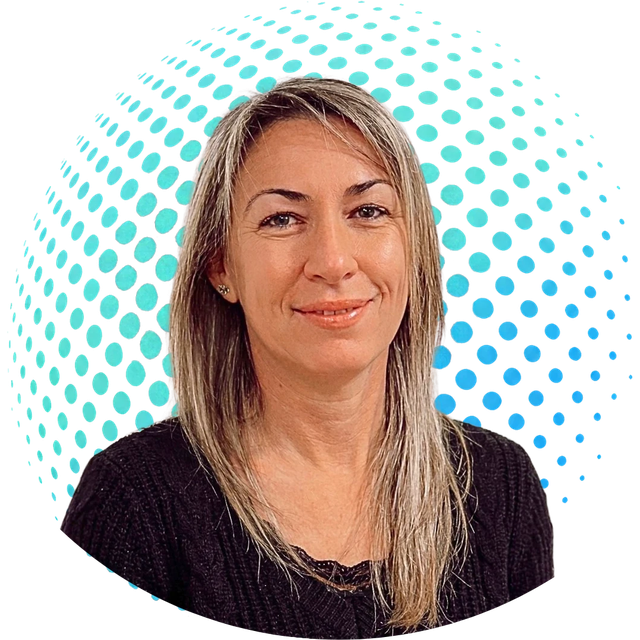
Member no. 1376
Physiotherapist with a PhD from the Universitat Internacional de Catalunya (2015), specialised in sports physiotherapy, osteopath, master's in Education and ICT (UOC), researcher and university lecturer. She has a 31-year career combining clinical practice in high-performance sport, university teaching and academic and clinical management.
In elite sport, she was physiotherapist to the Real Federación Española de Deportes de Invierno (1996-1999) with the national alpine skiing team, taking part in the World Cup circuit, the World Championships in Sestriere '97 (Italy) and Vail/Beaver Creek '99 (USA) and the Nagano '98 Winter Olympics (Japan). In 2005 she was physiotherapist to the Spanish women's water polo team at the World Aquatics Championships in Loulé (Portugal) and Montreal (Canada). She also provided care to athletes at the Residència Joaquim Blume and the CAR in Sant Cugat, run by the Consell Català de l’Esport (1999-2005). For more than a decade (2005-2017) she headed the Health Area of Club Natació Sabadell, while also serving as physiotherapist to its first swimming and water polo teams in national and international competitions and in the club's clinical area.
At university level, she has four times been a member of the External Evaluation Committee of the Catalan University Quality Assurance Agency (AQU) of the Generalitat de Catalunya, for the evaluation of the Physiotherapy studies at the Faculty of Medicine and Health Sciences of the Universitat Rovira i Virgili in Reus (November 2003), twice for the evaluation of the Physiotherapy studies at the Fundació Universitària del Bages, Escola de Ciències de la Salut de Manresa (January 2006 and January 2009), and for the evaluation of the Bachelor in Education Sciences in Andorra (2016).
In teaching, she was a lecturer in the Department of Physiotherapy of the Universitat Internacional de Catalunya, in teaching, research and academic management (2002-2018). Since 2021 she has been coordinator and lecturer of the University Master's in Team Sports Physiotherapy (MUFEE) at Blanquerna (URL) - Barça Innovation Hub, and she also teaches on master's programmes at UManresa (since 1999) and on the Physiotherapy Degree at TecnoCampus (since 2025). She currently combines this university teaching with clinical work at the Assisport sports medicine centres of Assistència Sanitària and at Move Sport.
Board Member
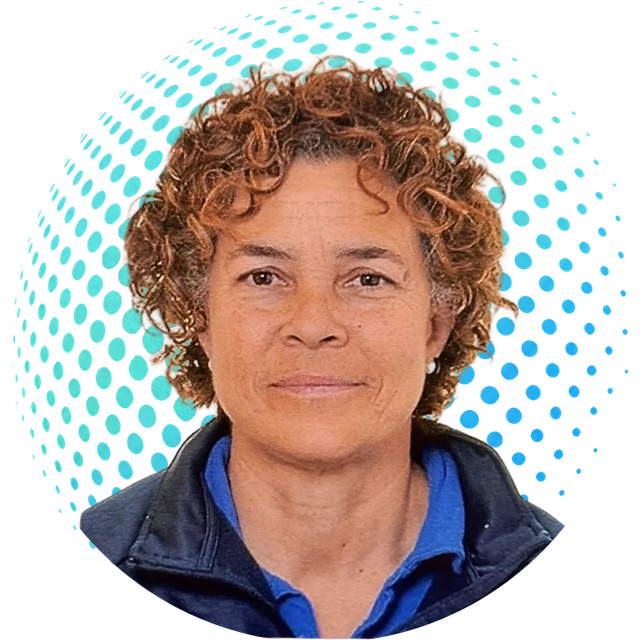
Patxi Morales
Member no. 913
Physiotherapist specialised in sports physiotherapy, rehabilitation and neurodynamic treatment of the nervous system.
Lecturer since 2000 on the Physiotherapy degree at several universities and on various master's programmes. Physiotherapist in private practice since 1998 and for the Spanish Athletics Federation since 2022.
Board Member
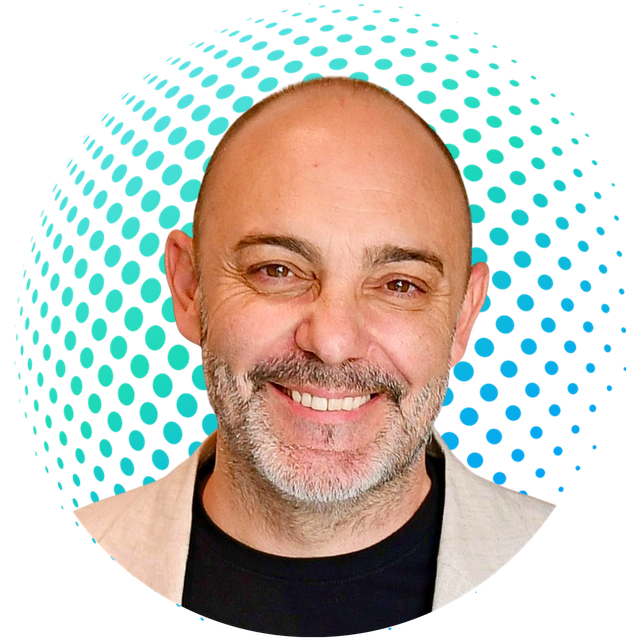
Member no. 1510
Physiotherapist with a PhD in educational technology, e-learning and knowledge management from the URV. Lecturer and coordinator of final-year projects (TFG) in Physiotherapy at the Facultat de Ciències de la Salut of UManresa (UVic-UCC) and lecturer at the Escola Universitària de Ciències de la Salut i l’Esport (EUSES), Girona campus (affiliated to the UdG). Over 30 years as a clinician at various centres and institutions (1996-2026), he was named best physiotherapist in Spain by the Doctoralia portal in 2016, 2017 and 2018. He currently practises at the UManresa University Clinic. He has taught on undergraduate, postgraduate and official master's programmes from 2000 to the present.
His expertise, also the result of research, focuses on diagnosis, clinical reasoning in physiotherapy, the benefits of Nordic walking as a therapeutic tool and neuromusculoskeletal conditions of the anterior cruciate ligament (ACL), covering diagnosis, prognosis and treatment. He carried out the cross-cultural validations of the Spanish versions of the ACLQOL-Sp and the SP-ACLRSI. He is a member of the consolidated research group Sport, Exercise and Human Movement (SEaHM) at UVic-UCC, and has co-supervised doctoral theses on therapeutic exercise and diabetes, and on therapeutic exercise and tension-type headache and migraine. He has also ventured into non-scientific writing with Boles de Paper (2021, short stories) and Eskoliosi (2024, crime novel), in which physiotherapy also plays a central role.
Board Member
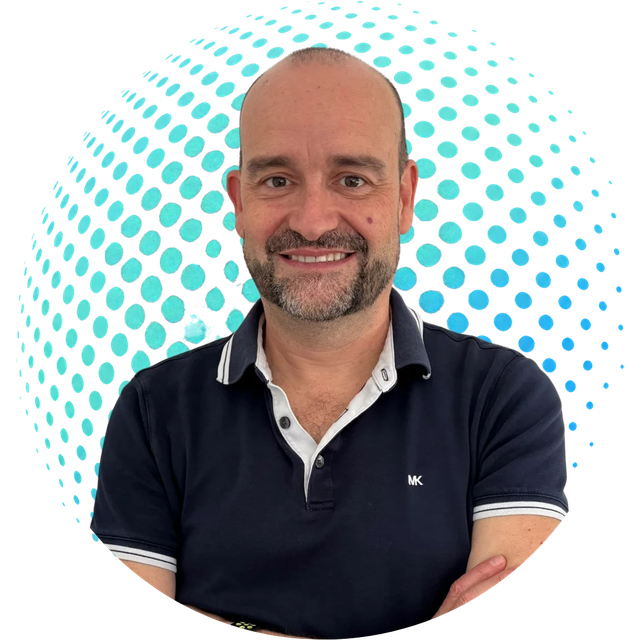
Ismael Martí
Member no. 2612
Diploma in Physiotherapy from the Escola Universitària Gimbernat (EUG-UAB), he holds the Official Master's in Evidence-Based Physiotherapy from the Universitat Internacional de Catalunya (UIC) and training in Serious Games for Health from the Harvard Medical School Teaching Hospital - ENTI (UB). He holds postgraduate qualifications in Osteoarticular Manual Physiotherapy (UAB), Neuromotor Rebalancing of the Spine (UAB) and Orthopaedic Technician (UIC), as well as studies in Structural Osteopathy (Institut Superior de Formació i Estudis de la Salut), Physiotherapy and Acupuncture (EUG-UAB), and Electromyography and Neuromuscular Diseases (Universitat FUB Manresa). He specialises in musculoskeletal conditions and has a long career as a university lecturer, with 21 years as lecturer, coordinator and degree director at several Physiotherapy schools including EUG, UIC and EUSES. He combines this with clinical practice at the Joismart Physiotherapy centre in Sant Feliu de Guíxols and taking part in national and international conferences.
Board Member
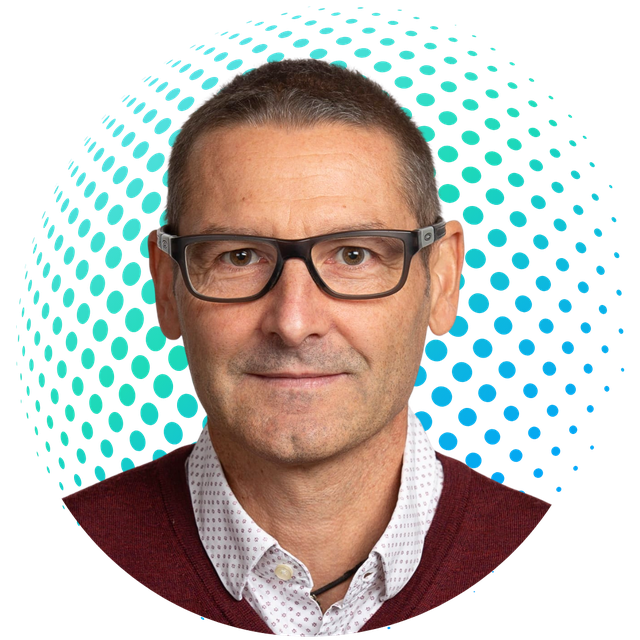
Member no. 484
Physiotherapist with a PhD in Comprehensive Care and Health Services (UVic, 2020), with an established career in clinical care, teaching and university management. He obtained his Diploma in Physiotherapy at the EUIF Gimbernat (UAB, 1990). In 1993 he founded the Centre de Recuperació Osona in Vic, which he ran until 2002. Since 1998 he has taught at UVic-UCC, first as an associate lecturer and since 2002 as a senior lecturer. He has completed extensive academic training with a degree in Physical Activity and Sport Sciences (UVic, 2010) and two master's degrees in health and physical exercise (UdL, 2013 and 2015). In academic management, he was coordinator of the Physiotherapy degree at UVic-UCC from 2012 to 2023 and then served as Deputy to the Vice-Rectorate for Academic Planning from 2024 to 2026.
Substitute
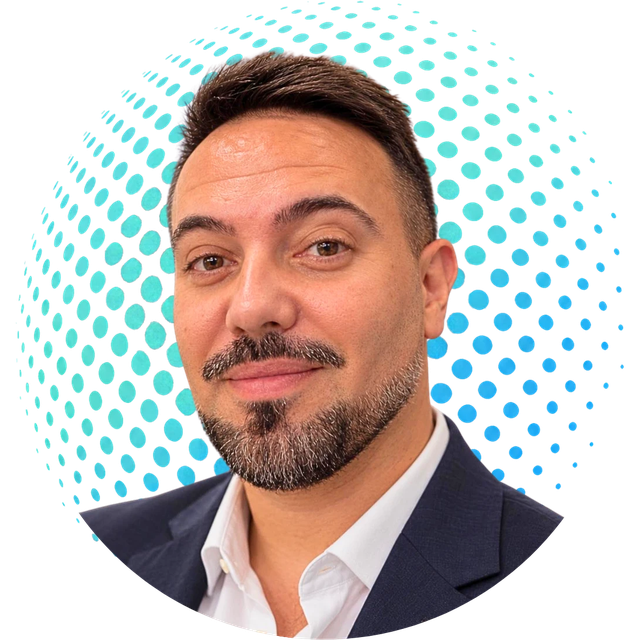
Member no. 8250
Physiotherapist working in geriatric care since 2009, specialised in frailty and therapeutic exercise. Doctoral candidate in Education and Sport Sciences. He served for 8 years as Vice-Treasurer of the Col·legi de Fisioterapeutes de Catalunya.
He carries out his clinical, research and innovation work at the Parc Sanitari Pere Virgili and is a researcher in the Research Group on Ageing, Frailty and Transitions in Barcelona (RE-FiT Bcn). He is principal investigator of the +AGIL Barcelona project and author and co-author of scientific publications on ageing, frailty and physiotherapy.
He is also a member of the FisioAPiC Advisory Board, secretary of the Geriatric Physiotherapy Working Group of the Consejo General de Colegios de Fisioterapeutas de España (CGCFE) and treasurer of the Geriatrics and Gerontology Physiotherapy Society of the Asociación Española de Fisioterapeutas (AEF-GyG).
Substitute
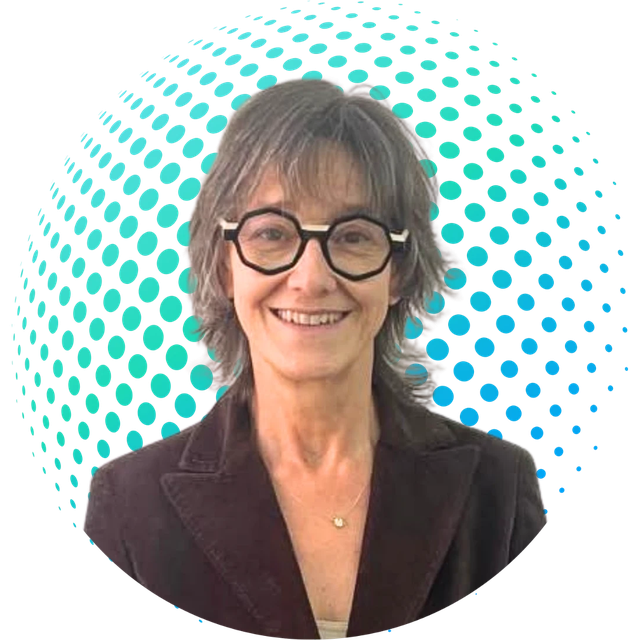
Member no. 1609
Physiotherapist and osteopath, with a degree in Physical Activity and Sport Sciences. She has 31 years of direct patient care as a physiotherapist and osteopath. She began at the Sports Medicine Barcelona centre, from 1995 to 2005.
Between 2006 and 2011 she developed the syllabus and taught the Sports Safety subject for intermediate and advanced vocational courses in Basketball for the Department of Education of the Generalitat de Catalunya. From 2018 to 2022 she was a lecturer at the Dolmen Salut school in L’Hospitalet de Llobregat, teaching Biophysics, Biomechanics and Palpation Anatomy on various courses.
She has always combined teaching with clinical practice and, now based in Tornabous (Lleida), she continues to run sessions for the general public in towns across the province, bringing our profession closer to them and giving them tools to understand their bodies better and simple physical approaches to improve their health.
Our principles
A Col·legi that listens, explains and defends physiotherapy.
Professional dignity
Defend the value, competencies and working conditions of physiotherapy.
Effective representation
Bring the diversity of professional realities into the Col·legi's decisions.
Good governance
Act with transparency, participation, responsibility and accountability.
Measurable results
Set priorities, measure results and explain what has been achieved and what remains pending.
Where we will start
The first twelve actions of our term.
They are the starting point for building the Col·legi we want. New ones will follow, from our day-to-day work and from listening to members.
Members' needs
During the first six months we will run a needs survey of all members and publish the results so they guide the priorities of our term.
Transparency
Every month, without fail, we will publish the Board's decisions and minutes, so that every member can know what is decided and why.
Primary Care
We will press the Catalan Department of Health for a full and stable roll-out of physiotherapy in Primary and Community Care, with adequate staffing ratios and the FisioAPIC model, and we will report publicly every year on progress.
Professional development
We will relaunch the career guidance and entrepreneurship service and create a mentoring programme for recent graduates. For the self-employed, we will set up a support network with training in management and taxation and meetings in every region.
Osteopathy
We will work with physiotherapists who practise osteopathy to define an evidence-based position for the Col·legi, and we will make the register of accredited professionals known to the public.
Regions
We will give each regional section more autonomy to decide its own activities and budget.
The public
Every year we will run a public campaign explaining the role of physiotherapists in health care and encouraging people to consult them, and we will measure its results.
Professional recognition
We will call on the Catalan Department of Health to reclassify all public-sector physiotherapists to group A1, both in Primary Care and in hospitals, and we will give legal support to members who claim it. We will also defend pay in line with their qualification for physiotherapists in state-funded private schools and special education.
Unqualified practice
Every year we will publish a report on unqualified practice, with the complaints filed, the timescales and the results obtained.
Work-life balance
We will expand online, asynchronous and hybrid training, and make permanent the fee reduction for large and single-parent families, which today depends on a temporary resolution each year.
Online procedures
All routine procedures will be available in the members' area, with digital signature, without having to print or scan a single sheet of paper.
Financial management
Every year we will present the budget broken down by item and publish the external audit in full. We will also rethink the FTP model on sustainability criteria in order to direct these resources to priority projects, such as the new premises and strengthening the Col·legi's staff.
Programme 2026–2030
Twelve areas for our term.
Decisions will be taken on the basis of need, quality, fairness and financial viability. Open each area to see its proposals and our commitment, or download the full programme.
Download the full programmePDF · 10 pages
Programme
Term 2026–2030
Defend who we are.
Build who we will be.
Candidacy for the Governing Board of the Col·legi de Fisioterapeutes de Catalunya
01A Col·legi serving the profession and society
We will put the real needs of professionals and the public at the centre of the Col·legi's work.
- Understand the needs of different professional profiles and career stages.
- Evaluate services by use, accessibility, quality, satisfaction and unmet needs.
- Explain the services and access conditions clearly.
- Prioritise actions according to the needs identified, defending the profession, quality of care and public protection.
- Include the new premises project as a possible meeting space, subject to an analysis of needs and financial viability.
We will listen to members, review how useful services are and prioritise the actions that bring most value to the profession and the public.
- During the first six months we will run a needs survey of all members and publish the results so they guide the priorities of our term.
- A welcome session for new members and an annual campaign to raise awareness of existing services.
- A clear service portfolio stating what each service offers, who it is for, how to access it and how quickly it responds.
- A public annual report on the use, cost and satisfaction of services.
02Good governance, transparency and participation
Trust is built with clear information, explained decisions and commitments that can be followed.
- Publish an annual plan with objectives, deadlines, people responsible and indicators.
- Present an annual report on actions achieved, in progress, redirected and pending, with the reasons for each.
- Provide clear and up-to-date institutional, financial and organisational information.
- Set up participation channels with a target initial response within 30 calendar days where the nature of the query allows.
- Explain decisions and promote plural, respectful and constructive debate.
We will report on actions, resources and results, and explain the reasons when an action cannot be completed.
- Every month, without fail, we will publish the Board's decisions and minutes, so that every member can know what is decided and why.
- Annual Board meetings in every region and an open online session every three months.
- A “You told us, we did” section explaining what has been done with each proposal.
- Separate deadlines for receipt, first response and resolution of each proposal or query.
- Public online tracking of the term's commitments and their status.
- Rethink the FTP model on sustainability criteria in order to direct its resources to priority projects, such as the new premises and strengthening the Col·legi's staff.
- Write the minutes with the actual content of decisions, without generic wording.
03Professional advocacy and recognition of physiotherapy
We will strengthen the voice of physiotherapy with well-founded proposals and follow-up of institutional commitments.
- Set priorities based on needs, data and consultation with members.
- Work with public administrations, health organisations, universities and social partners.
- Follow up institutional commitments and keep members informed.
- Defend professional competencies and the contribution of physiotherapy to health.
- Base demands on evidence and distinguish the Col·legi's competencies from third-party decisions.
We will defend physiotherapy with solid arguments, specific proposals and follow-up of progress, without promising decisions outside the Col·legi's remit.
- We will press the Catalan Department of Health for a full and stable roll-out of physiotherapy in Primary and Community Care, with adequate staffing ratios and the FisioAPIC model, and we will report publicly every year on progress.
- Review of the professional classification of public-sector physiotherapists to access group A1.
- A specific commitment to physiotherapy specialities.
- A public annual report on institutional meetings and the results achieved.
04Professional development and member services
Services must meet specific needs throughout a professional career.
- Review advice, career guidance, the job board and other resources.
- Consider the needs of employed and self-employed professionals, employers, lecturers, researchers and specific fields.
- Support career starts, career progression, entrepreneurship and management.
- Launch new services only when demand, impact, cost and viability justify it.
We will review services based on the needs of different profiles and prioritise useful, accessible and sustainable improvements.
- We will relaunch the career guidance and entrepreneurship service and create a mentoring programme for recent graduates. For the self-employed, we will set up a support network with training in management and taxation and meetings in every region.
05Continuing education, universities and research
We will promote training that is useful, accessible and connected to clinical practice and scientific knowledge.
- Evaluate the training offer by quality, diversity, accessibility, applicability and needs.
- Promote fair access to training and grants.
- Strengthen the connection between clinical practice, universities and research.
- Transfer evidence distinguishing the plausibility of mechanisms, clinical efficacy, effect size and certainty.
- Evaluate the usefulness of training beyond satisfaction.
We will promote rigorous and applicable training, and assess whether it helps improve professional practice.
- We will work with physiotherapists who practise osteopathy to define an evidence-based position for the Col·legi, and we will make the register of accredited professionals known to the public.
- More training outside Barcelona and more online and asynchronous courses.
- Training in Primary Care, community health and rural and home physiotherapy across Catalonia.
- Training in critical appraisal, methodology and applying evidence, adapted to each level of experience.
- “From evidence to practice”, short documents and resources for applying science to clinical practice.
- More accessible research grants for clinical projects, with methodological and statistical support.
- Continuing education in ergonomics and occupational risk prevention, in agreement with universities, covering prevention law, Labour Inspectorate requirements and ergonomic assessment tools (UNE-EN 1005, UNE-EN ISO 11228, MAPO method).
06Regions, specialities and member participation
We want participation that is accessible, representative and connected to the professional diversity of the country.
- Evaluate regional sections, committees and groups by activity, representation, resources and impact.
- Improve coordination and feedback on the work done.
- Identify under-represented specialities, regions and profiles.
- Create or reorganise structures when existing ones do not meet needs.
- Reduce barriers of travel, time and availability, and make the new premises a place that connects professionals.
We will help regions and specialities have a voice and review structures so that they respond to real needs.
- We will give each regional section more autonomy to decide its own activities and budget.
- Evaluate regional sections, committees and working groups by activity, representativeness, resources and capacity for influence.
- Identify the fields, regions and profiles that find it hard to take part, including within Barcelona, and make it easier for them to get involved.
- Restore a physical meeting space in each region, shared with other professional bodies or organisations to reduce costs.
- Annual objectives and follow-up for committees and working groups, with concrete results.
07Public visibility, prevention and public health
We will make the contribution of physiotherapy visible with rigorous and useful messages.
- Consolidate and improve the campaigns that work.
- Promote evidence-based communication that is clear and free of exaggeration.
- Work with schools, organisations, the media and health institutions.
- Adapt prevention and health promotion to each population.
- Evaluate reach, participation, understanding and observable change, not just views or events.
We will promote responsible communication and assess its social impact, beyond visibility.
- Every year we will run a public campaign explaining the role of physiotherapists in health care and encouraging people to consult them, and we will measure its results.
- A standing forum or agreements with associations of people with disabilities or functional diversity, with talks and easy-to-read information.
- A list of expert spokespeople by field for the media.
- Rigorous information for the public on when and how they can benefit from physiotherapy.
- Physiotherapy in Catalonia's health plans, including healthy ageing, frailty and falls, persistent pain, chronic conditions and physical activity.
08Professional practice, quality of care and the future of the profession
We will identify the conditions that allow physiotherapists to practise with quality, autonomy and safety.
- Analyse working conditions, organisation, caseload, autonomy and barriers.
- Prioritise actions based on data and consultation.
- Promote good practice, safety, quality and adequate conditions of care.
- Present proposals to the competent bodies without attributing third-party powers to the Col·legi.
- Address the technological and organisational challenges of health services.
We will turn the needs identified into viable proposals and defend the conditions for quality physiotherapy.
- We will call on the Catalan Department of Health to reclassify all public-sector physiotherapists to group A1, both in Primary Care and in hospitals, and we will give legal support to members who claim it. We will also defend pay in line with their qualification for physiotherapists in state-funded private schools and special education.
- A study of the profession's working conditions during the first year, with a specific section on physiotherapists in care homes and social-health centres.
- A commitment to hospital physiotherapy: a study of staffing ratios and caseload, recognition of shifts and on-call duty, a presence on clinical committees and a Catalonia-wide network for sharing guidelines and protocols.
- A practical guide to employment and contract rights for employed and self-employed physiotherapists.
- Recognition of therapeutic exercise as an intervention specific to physiotherapy.
09Ethics, professional conduct and public protection
Public trust requires clear criteria, accessible information and procedural safeguards.
- Disseminate ethical principles and resources on dilemmas, responsibility and confidentiality.
- Inform the public about competencies and channels for queries and complaints.
- Maintain appropriate action against unqualified practice through the proper procedures.
- Distinguish between query, complaint, report, investigation and proven infringement, preserving confidentiality, the presumption of innocence and due process.
- Promote good practice and professional responsibility.
We will act with rigour, proportionality and safeguards, protecting the public and respecting the rights of all parties.
- Every year we will publish a report on unqualified practice, with the complaints filed, the timescales and the results obtained.
- A reporting channel with follow-up and response.
- Ethical guidelines on new situations such as health advertising, social media, reporting results and artificial intelligence.
10Equal opportunities, professional diversity and work-life balance
We will make it easier for more professionals to take part on equal terms.
- Identify barriers related to schedules, travel, caring responsibilities, personal circumstances and accessibility.
- Encourage participation that is compatible with personal and professional life.
- Improve the accessibility of spaces, activities and information.
- Promote representation of diverse profiles.
- Evaluate whether the measures reduce barriers.
We will listen to diverse profiles and introduce improvements so that taking part in the Col·legi is more accessible and compatible with professional and personal life.
- We will expand online, asynchronous and hybrid training, and make permanent the fee reduction for large and single-parent families, which today depends on a temporary resolution each year.
- Review fee reductions (unemployment, disability, retirement, large families) and make them better known.
11Digital transformation and modernisation of the Col·legi
Technology should simplify procedures and improve service, not create barriers.
- Review digital processes to detect duplication and usability obstacles.
- Provide clear information on procedures, documents, deadlines and channels.
- Create platforms only if they meet a need and bring benefits in proportion to their cost.
- Automate where it improves the service, while keeping human support available.
- Guarantee privacy, security and accessibility, and measure ease of use and response times.
We will modernise processes when they genuinely simplify dealing with the Col·legi, and we will keep personal support available.
- All routine procedures will be available in the members' area, with digital signature, without having to print or scan a single sheet of paper.
- A digital space where each member can check the status of their procedures and queries, with expected timescales.
- Practical training in digital skills and in using artificial intelligence in clinical practice and practice management.
12Financial sustainability and responsible management of resources
We will manage resources according to priority, sustainability, transparency and usefulness.
- Link budgets to the priorities of the term and the needs identified.
- Explain spending, deviations and results in an understandable way.
- Evaluate the cost, use and usefulness of services and projects.
- Analyse the total cost and sustainability of investments, including the new premises, before committing spending.
- Reprioritise resources if there are more urgent needs or insufficient usefulness.
We will take financial decisions with sufficient information, cost-benefit assessment and accountability.
- Every year we will present the budget broken down by item and publish the external audit in full. We will also rethink the FTP model on sustainability criteria in order to direct these resources to priority projects, such as the new premises and strengthening the Col·legi's staff.
- Regular assessment of the cost and usefulness of the main services.
- A supporting report before any structural investment, covering needs, alternatives, total cost and sustainability.
Cross-cutting commitments
The commitments that will guide our term.
A public and measurable plan for the term
With objectives, deadlines, people responsible and indicators.
Participation with feedback
Accessible channels and a target initial response within 30 calendar days where the nature of the query allows.
Data-based professional advocacy
Specific proposals and follow-up of commitments.
Scientific, teaching and clinical quality
Knowledge transfer and evaluation of results.
Financial transparency
Linked to priorities, actions and results.
Accountability
How we will be accountable.
The annual report will classify actions into four categories and explain any deviations and the reasons for them.
- Achieved
- Objective completed and result documented.
- In progress
- Action started, with information on progress and the expected deadline.
- Redirected
- Action modified, with the reasons for the changes.
- Pending
- Action not started or not completed, with an explanation of why.
Indicators will be adapted to each objective. Results that depend on other institutions or bodies will not be presented as guaranteed.
Report regularly on progress, listen to members' feedback and explain openly both the results and the difficulties.
Key dates
Your vote counts. Vote from 16 to 18 November.
This Col·legi is yours too. Choose the Col·legi we want for the next four years.
- 1–14 Nov
Election campaign
Get to know the candidacy, the programme and the people behind it.
- 15 Nov
Day of reflection
This is also the deadline for postal votes to arrive, until 8 pm.
- 16–17 Nov
Online voting
From anywhere, using the link the Col·legi will send you.
- 18 Nov
In-person voting
From 10 am to 5 pm, without a break, at the Col·legi's headquarters.
Who can vote
Practising members who are up to date with their obligations to the Col·legi and are included in the final electoral roll published on 31 October.
Before you vote
Check on the Col·legi intranet that your email address and phone number are correct. That is where you will receive the link to vote online.
In-person voting
At the Col·legi's headquarters, carrer del Segle XX, 78, Barcelona. On 18 November, from 10 am to 5 pm, without a break. Bring your ID card.
Postal vote
You must request it from the Col·legi before 8 November, at cfc@fisioterapeutes.cat. You then send by registered post the accreditation document, a copy of your ID card and your membership card (or latest fee receipt) and a sealed envelope containing the ballot paper. It must arrive by 8 pm on 15 November at the latest.
Dates and times according to the electoral calendar of the Col·legi de Fisioterapeutes de Catalunya. Check the elections section of its website for official and up-to-date information.
We're listening
Tell us your needs or suggestions.
A channel so that members' proposals, concerns and needs reach us, can be considered and get a response. We want to listen, respond and explain what we can do, what we prioritise and why.
Prefer to write directly? info@dignitatiorgull.cat
Follow us on Instagram @dignitatiorgull